Water is one of those resources that we just have on hand, for the most part. If you are blessed enough to live in an area without regular drought conditions or poor water supply systems, then it is easy to forget how precious water is. Following that, it’s just as easy to take for granted how much water you waste doing very simple, everyday tasks. But as populations increase and climates change, water and water supply levels are becoming increasingly tight, which means that we all need to do our part to conserve water wherever we can.
Here, we’ll talk about why it is important to conserve water, how saving water benefits you, and some simple things you can change to start saving water right now.
Water is Finite, and We Need Water to Live
Perhaps the most basic and easy-to-understand reason to save water is that our water supply isn’t unlimited!
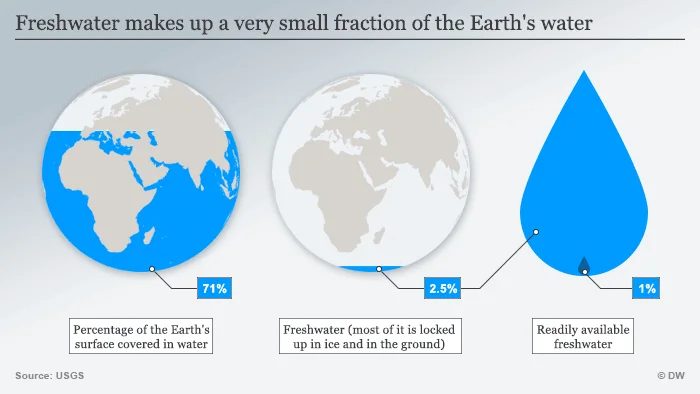
Here’s something to think about: the world’s supply of water isn’t as large as we think. Roughly 97% of the water on the Earth is undrinkable salt water, and 3% of the earth’s water is fresh. 2.5% of the earth’s freshwater is unavailable: locked up in glaciers, polar ice caps, atmosphere, and soil; highly polluted, or lies too far under the earth’s surface to be extracted at an affordable cost. 0.5% of the earth’s water is available freshwater that we can drink, and that is the water we use for everything.
An average people use 100 to 175 gallons of water per day, Because many of us get caught up in water as something we drink, we forget how much water we use for simple tasks like washing our hands, taking showers, using the lavatory, washing laundry, and other household tasks
Think about it: using between 80-100 gallons per day means roughly 29,000 gallons per year. That isn’t 29,000 gallons of the total water supply in the world, but 29,000 gallons out of roughly 2% of global water available to us.
Makes you think differently about running the shower a few extra minutes, doesn’t it? The truth is that as the human population grows, water is going to become a more valuable commodity. Ask someone who lives in a drought-stricken area, or in a place where potable water isn’t readily available.
Our Reasons to Save Water
We, as a society, need to make some changes if we want our planet to last. And one of those changes includes saving water. Fortunately, this needn’t be a difficult task. There are many simple steps you can take to save water in your household. And there are several great reasons to start doing so right now.
1. Helping the Environment
The process of getting water into our homes is an energy-intensive one. Simply getting hot water from the tap requires energy According to the 2016 Residential End Uses of Water Study, hot water makes up about 33 percent of all indoor water use. Cleaning the wastewater, or grey water, that leaves our homes increases our total energy use even more.
2. Water Scarcity
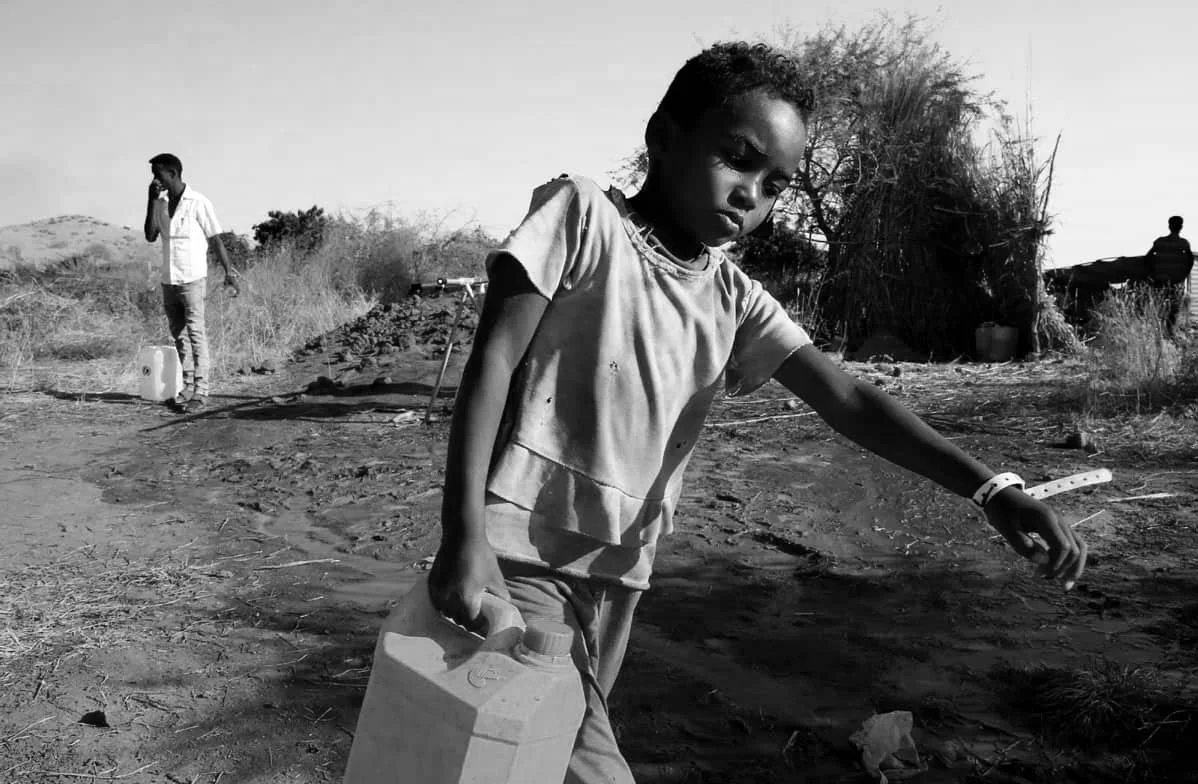
People across the world are living with limited and low-quality water. Although the poorest areas on the planet are usually hit the hardest, everyone is suffering, citizens in sub-Saharan Africa travel 30 minutes on average daily to access water.
3. Lower Cost
The less water you use, the less you have to pay at the end of the month, In fact, water meters are a great way to hold ourselves accountable for our water consumption.
Tips and Tricks on Saving Water
Finding ways to conserve water at home doesn’t have to be all that complicated, there are many simple things we can do to prevent water waste, we can start saving water by making smart choices at home.
In the Bathroom
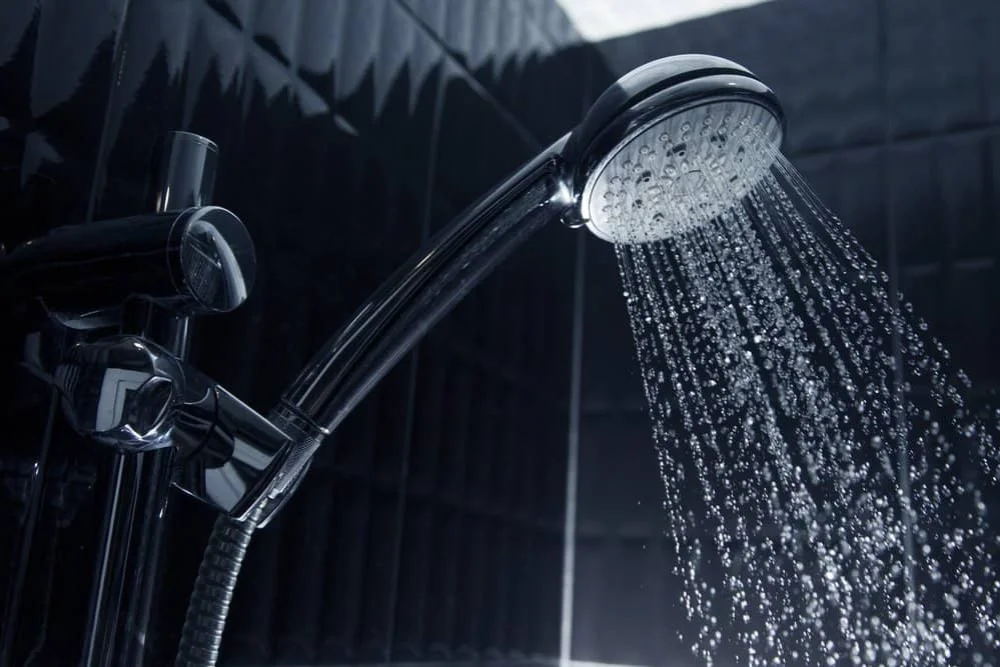
The bathroom accounts for 70% of the total water consumption of an average household. Furthermore, we use over 40% of that amount for flushing alone. Surely, there are ways we can bring those numbers down a bit.
1. Turn the Tap Off
The number one tip to save water at home is to simply stop running the tap when we don’t need water. That includes leaving the faucet on while we’re brushing our teeth or soaping our hands or face.
2. Take shorter showers
In an average family, 22% of the household water is used for showering and bathing. Naturally, if we’re trying to save water, we might suggest skipping your bath altogether. Instead, you can take showers.
3. Check the Toilet for Leaks
Check your property regularly for leaks on your internal plumbing.
4. Update your appliances
Many old appliances use significantly more water than modern water- and energy-saving ones. Research the toilets, faucets, showerheads, dishwashers, and clothes washers in your home to determine how much water they use, and look into options that use less water, like dual-flush toilets.
In the kitchen
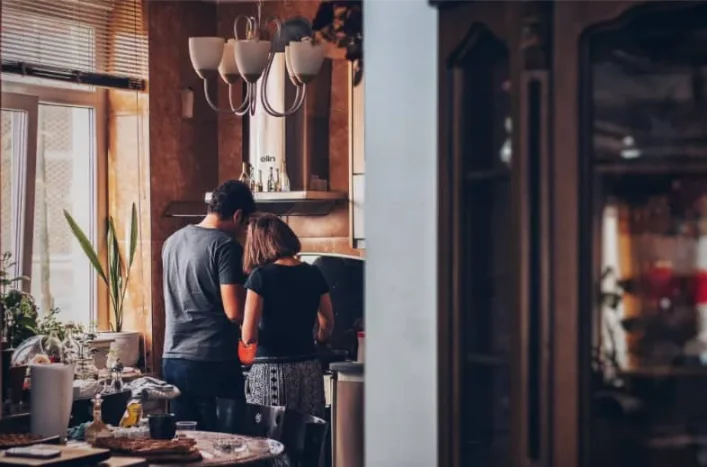
Other than bathrooms, kitchens also get their fair share of water consumption. In addition to sharing some great tips for saving water in our kitchens, we’ll also discuss how our dietary preferences affect our water consumption.
1. Save Water While Doing the Dishes
One of the best ways to conserve water at home is to shut the water off when we’re not actively using it. In the kitchen, that means being economical while doing the dishes.
2. Change the Way You Wash Your Fruits and Veggies
Use a bowl in the sink when washing fruit, vegetables, or dishes. You can then use the waste water to water your plants.
3. Don’t use Water for Defrosting
Many people use hot water for defrosting meats and other preserved food items. However, that’s really an unnecessary waste of water. Instead of using hot water to thaw the frozen food faster, leave it in the fridge overnight or let it out at room temperature.
In the Garden
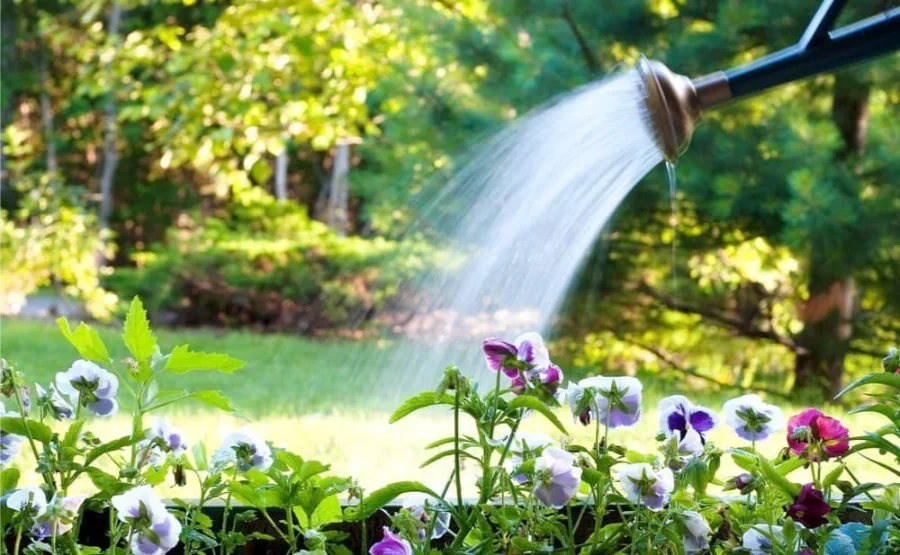
Here are some tips for saving water in the garden.
1. Don’t Over-Water
2. Check the Hose for Leaks
3. Plant Flowers that Require Less Water
4. Use Drip Irrigation
5. Collect Rainwater
6. Cover the Pool
7. Clean With a Broom, Not a Hose
Final Thoughts on Saving Water
Ultimately, all of us have a duty to protect this planet we call home. It’s the only one we’ll get, so we might as well take good care of it by using water sparingly. So, while scientists are working on more permanent solutions, all of us can do our part to give them that extra time by not contributing to the swift diminishing of Earth’s resources.