
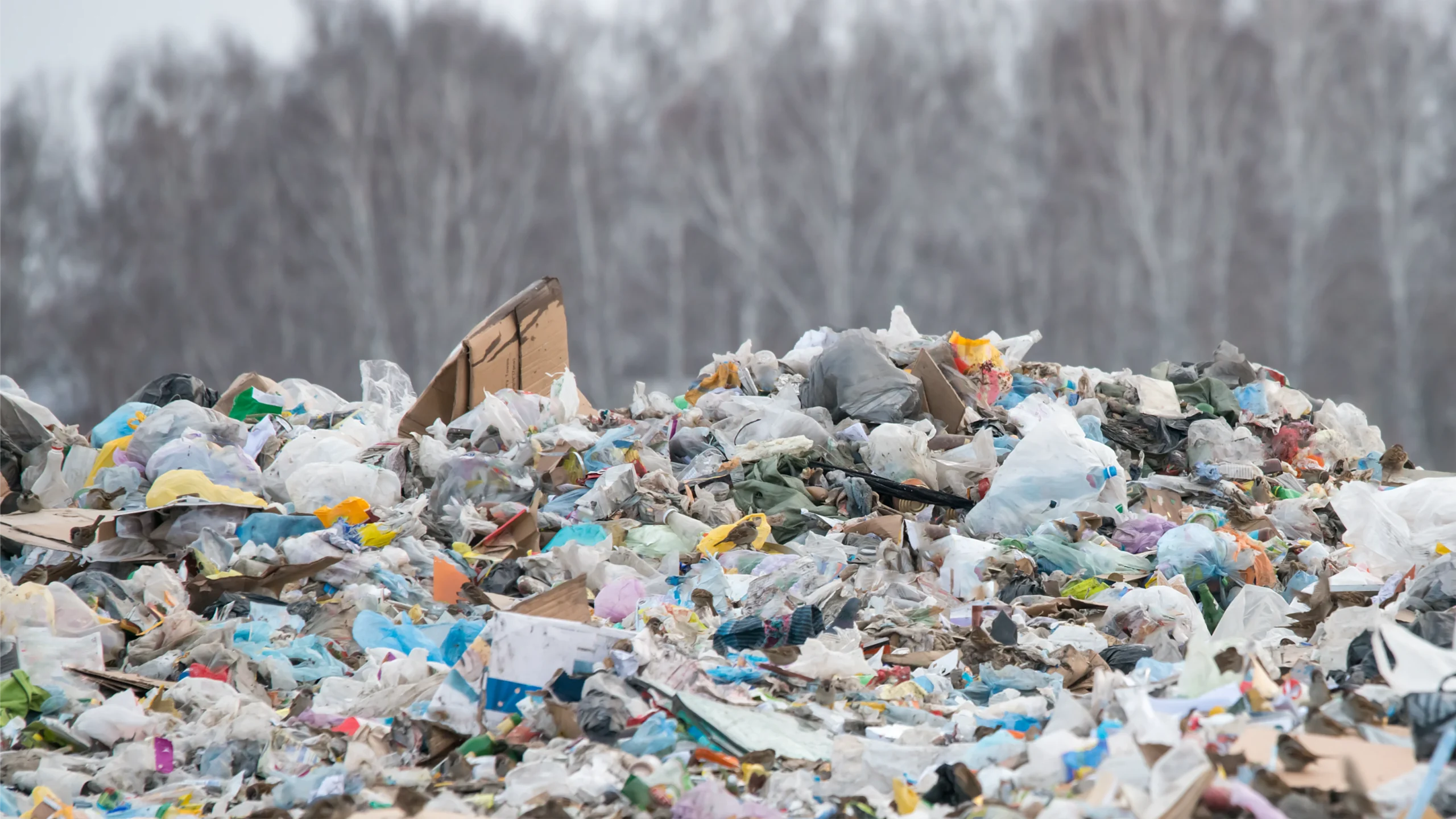
Did you know that every plastic piece that was ever produced is still around today? Plastic is used in almost everything and it’s tough to get away from it. Plastic is not biodegradable, and the planet is now suffering the consequences of plastic use in the form of toxic plastic pollution due to plastic production and disposal methods.
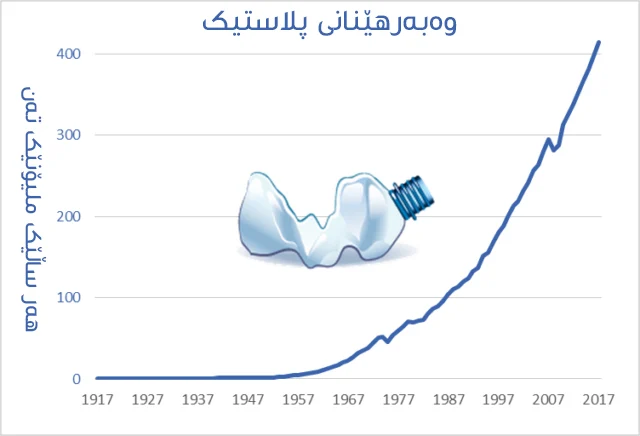
Growth of plastic production
Plastic production keeps growing at a rapid pace, the amount of plastic that is produced in the world every year has increased explosively in just a human lifetime. From 2 million tons in 1950 to 368 million tons in 2019.
Around the year 2050, there will be about twelve billion tons of plastic in landfills and in the environment.
More plastic is being thrown away than we can clean up, even though we do our best. The only way to reduce and prevent plastic pollution is to produce and use much less plastic.
The lifecycle of plastic
You may wonder what happens to all that plastic after purchase.
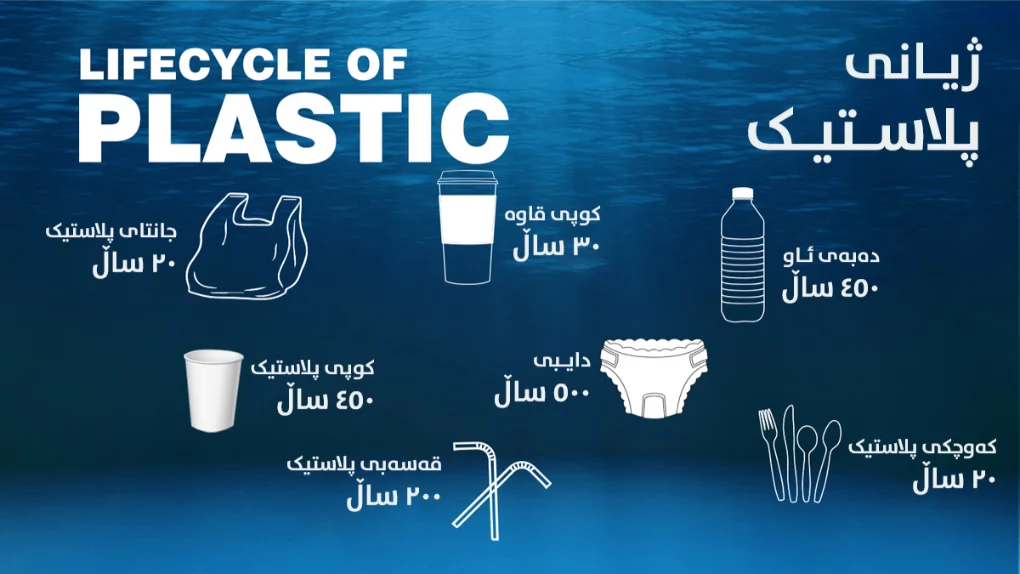
After we throw them into the trash can, Only 9% of that waste plastic is recycled and 12% is incinerated. The remaining 79% end up in landfills or in the environment, where they will stay forever in one form or another, as plastic takes many years to decompose.
Did you know a plastic water bottle takes 450 years to decompose completely? Here are some of our plastic needs and their decomposition lifecycles.
How plastics move around the world
Did you know, that each year there’s enough plastic that’s thrown away to circle the earth four times?
It is estimated that 1.15 to 2.41 million tonnes of plastic are entering the ocean each year from rivers. More than half of this plastic is less dense than the water, meaning that it will not sink once it encounters the sea.
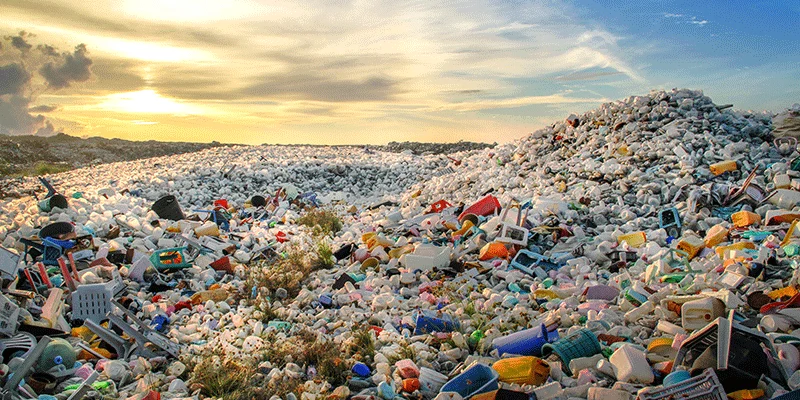
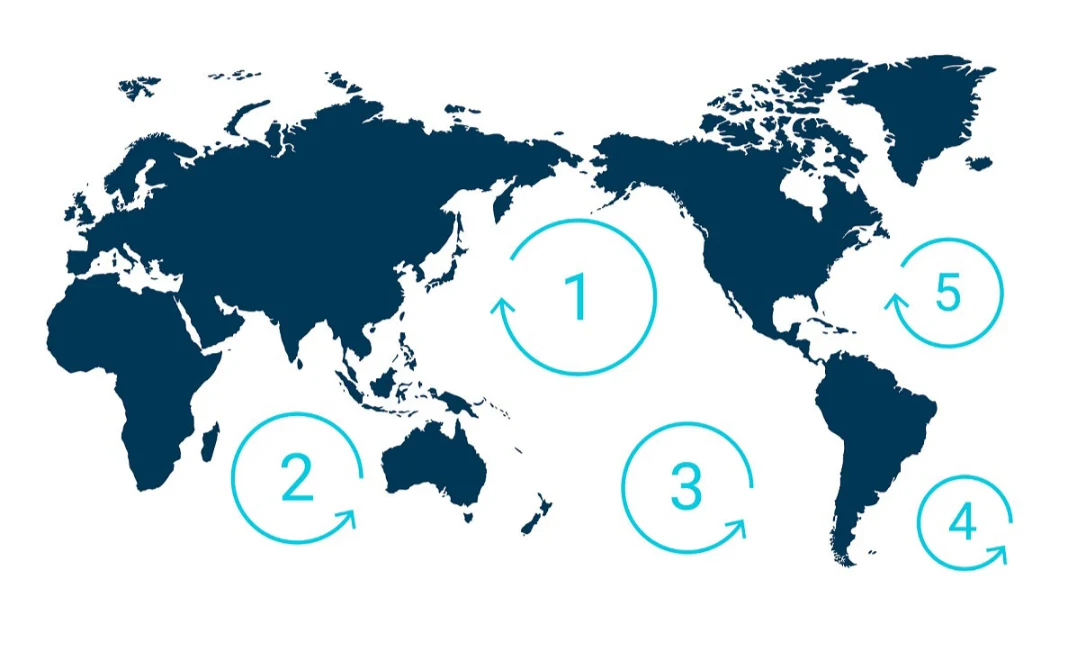
The Great Pacific Garbage Patch (GPGP) is the largest of the five offshore plastic accumulation zones in the world’s oceans. It is located halfway between Hawaii and California, it is the collection of plastic and floating trash, formed gradually as a result of ocean or marine pollution gathered by ocean currents.
Microplastics
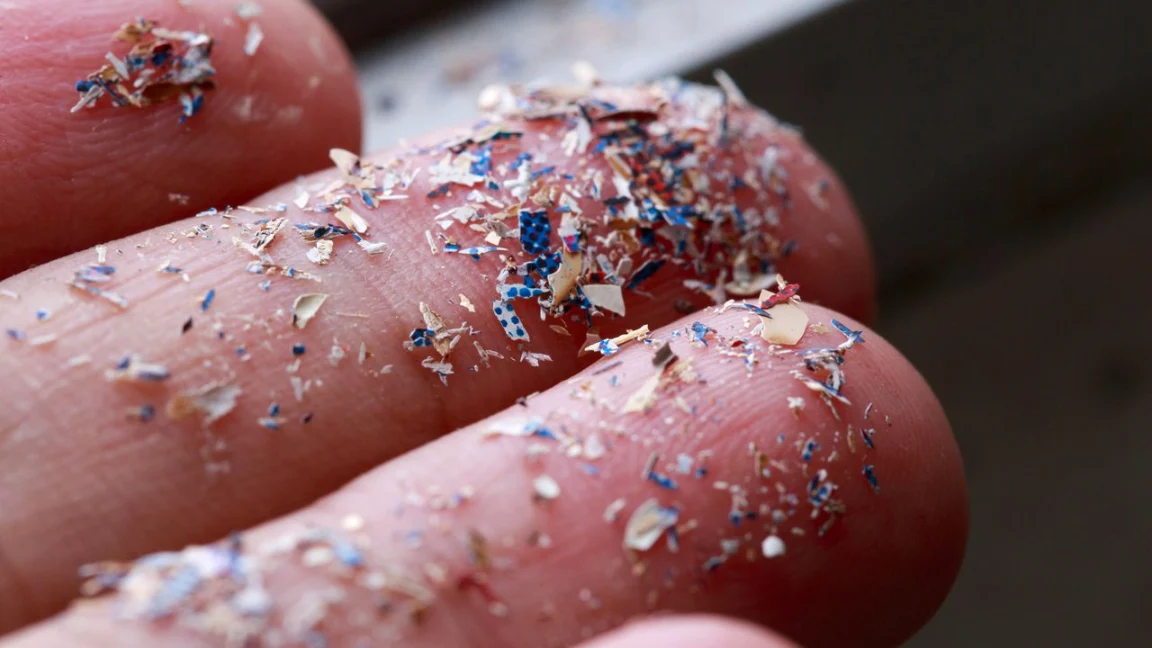
Once at sea, sunlight, wind, and wave action break down plastic waste into small particles, often less than one-fifth of an inch across. These so-called microplastics are spread throughout the water column and have been found in every corner of the globe, from Mount Everest, the highest peak, to the Mariana Trench, the deepest trough.
Microplastics are breaking down further into smaller and smaller pieces. Plastic microfibers, meanwhile, have been found in municipal drinking water systems and drifting through the air.
What’s the impact on marine life?
millions of animals are killed by plastics every year, from birds to fish to other marine organisms. Nearly 700 species, including endangered ones, are known to have been affected by plastics. Nearly every species of seabird eats plastics.
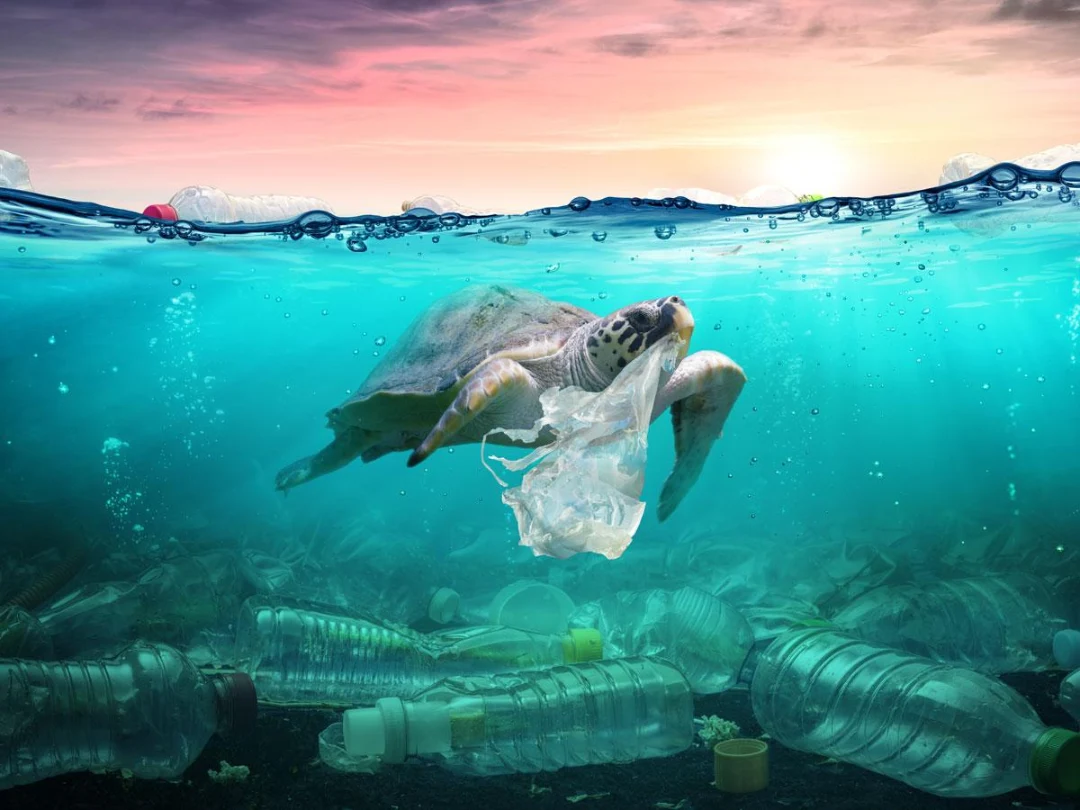
Most of the deaths to animals are caused by entanglement or starvation. animal eat plastic because they mistake plastic waste for food, once animals consume it, ingested plastic can pierce internal organs or cause fatal intestinal blockages; it also leads to starvation, because a stomach crammed with plastic gives an animal the illusion of being full.
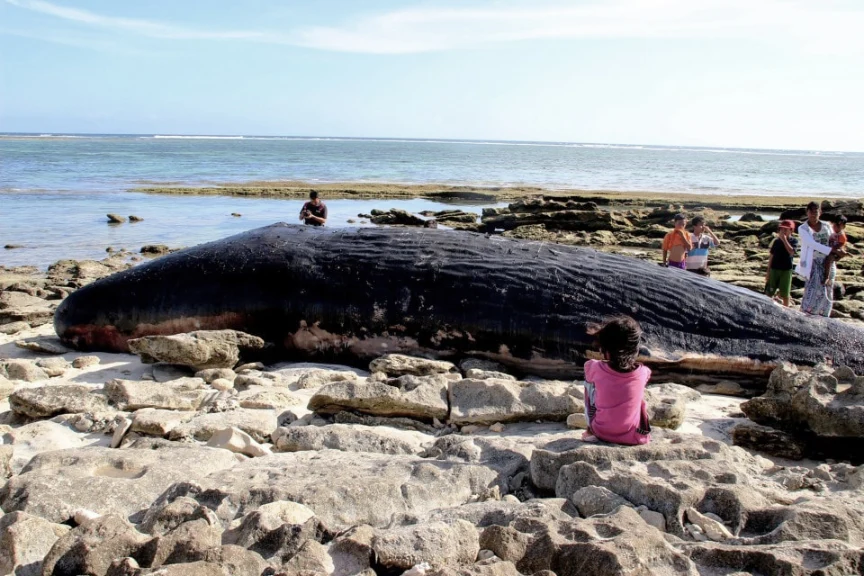
Young male sperm whale that was found dead off the coast of Spain had 64 pounds (29 kilograms) of garbage in its digestive system.
How does plastic pollution impact humans?
When marine animals consume plastic, the toxins it contains break down inside their bodies. So when humans eat seafood, we’re consuming these, too. Some of these plastic toxins are linked to hormonal abnormalities, and developmental problems. But researchers are still trying to understand exactly how our health is affected when we consume plastic via fish and shellfish. Analyses so far have suggested that microplastics don’t necessarily pose a risk to human health. But there’s still lot we don’t know.
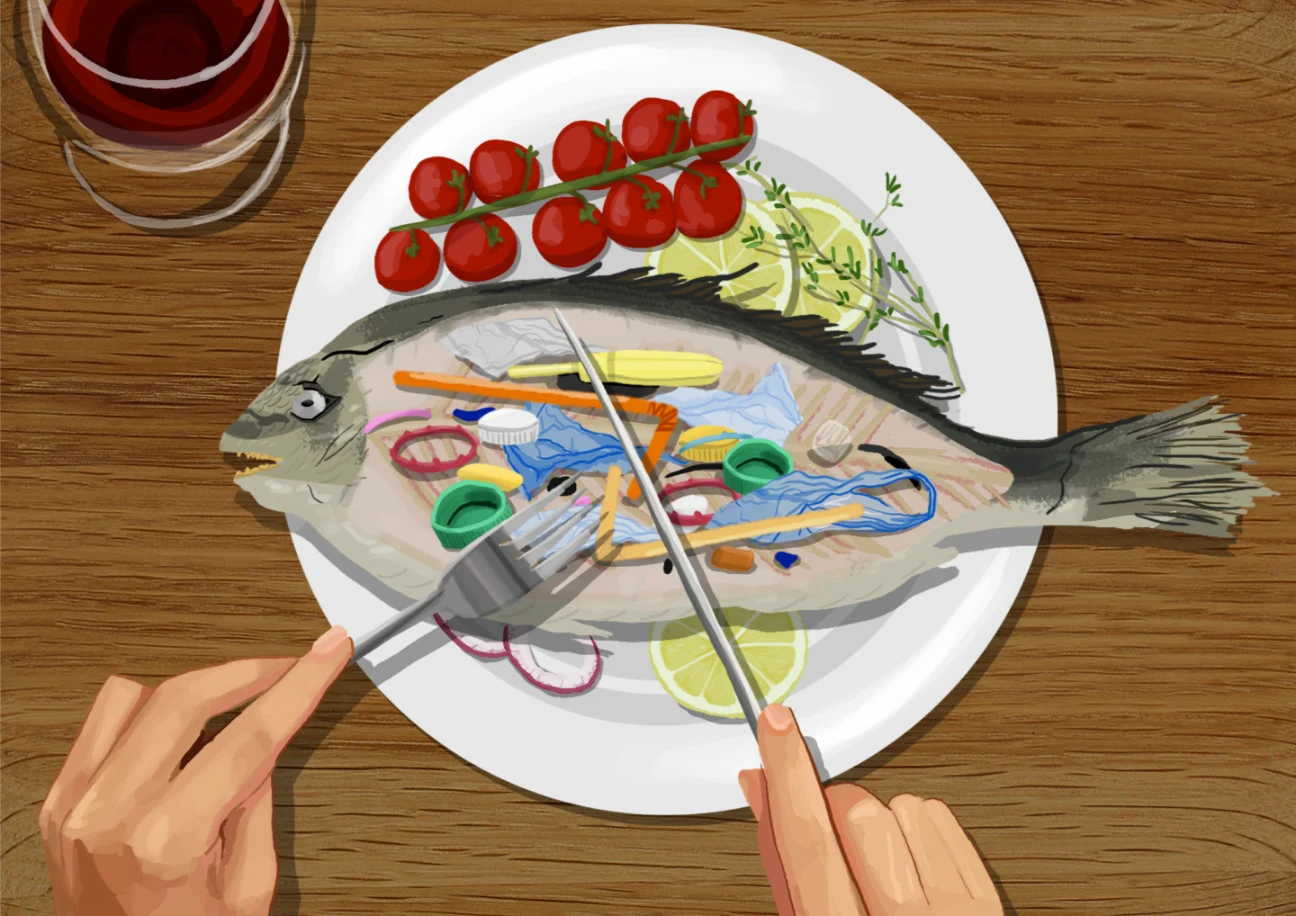
Image: Mary Flora Hart/China Dialogue Ocean
What can I do?
Recycling plastic wherever possible has an important role in decreasing plastic pollution but since recycling requires special equipment to process them also costs more only 2% of the plastic waste gets recycled.
- Everyone can do something to help solve the plastic pollution problem, and millions of people worldwide are already taking action to reduce their plastic use. Here are some ways you can make a difference, starting today.
- Undoubtedly, the biggest impact consumers can make is to reduce their use of singleuse plastic or avoid things they really don’t need.
- Replace the plastic with reusable items.
- Volunteering for group clean-ups of rivers and beaches helps to reduce the amount of loose plastic that makes its way into the sea.
- Supporting campaigns and policy changes that reduce the production of unnecessary plastics is crucial.
- Avoid Plastic Bottled Water
- When possible, filter your own water. Plastic bottled water isn’t any safer than filtered tap water